World Environment Day 2026 – Australia’s Waste Paradox: More Recycling, Same Landfill
By: Dimitris Dimoliatis, MRA Consulting Group
In Australia, the waste and recycling story of the past 30 years is an undeniable success. Recycling rates have risen from just 7% to 64%, driven by sustained policy effort, infrastructure investment, and growing public awareness. But these achievements masks a stubborn and uncomfortable reality.
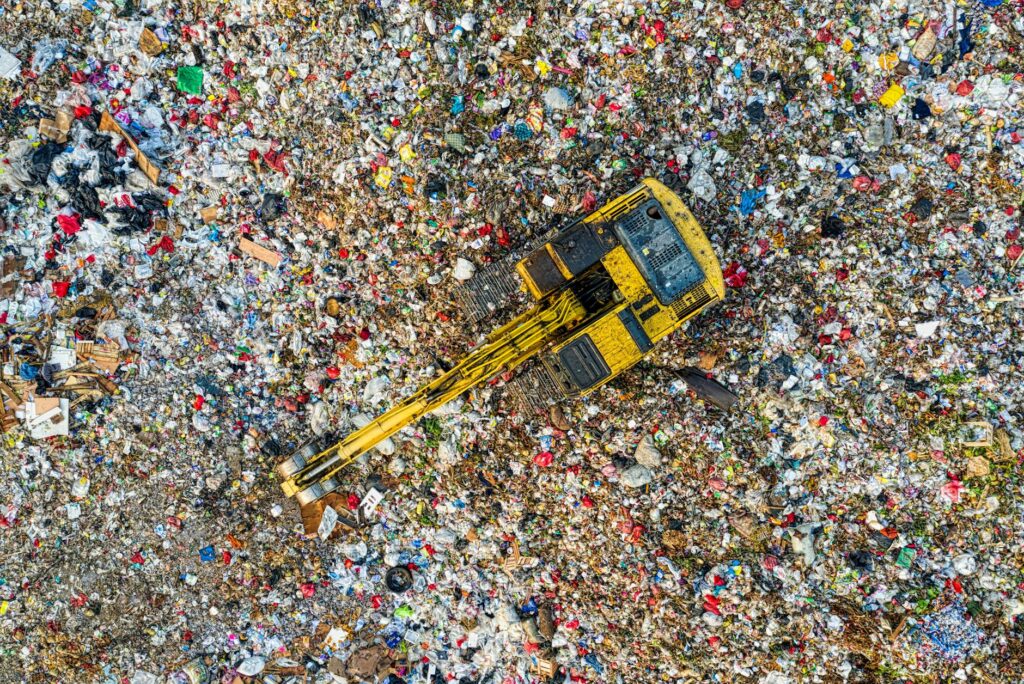
Despite decades of improvement, the volume of waste sent to landfill has barely changed, consistently hovering between 20 and 30 million tonnes per year. Recycling has largely kept pace with overall waste growth rather than reducing landfill demand in absolute terms. We are recovering more, but we are also generating more. Thus, the net effect on disposal volumes remains limited. This exposes a structural issue:
recycling alone cannot solve the waste problem if total generation continues to rise.
A more targeted approach is essential. Not all waste streams are equal, and focusing on the largest and most problematic ones will deliver the greatest impact. Mixed C&D, organics, and mixed C&I should be prioritised, as they represent a substantial share of what still ends up in landfill. At the same time, around 1 million tonnes of cardboard and 0.5 million tonnes of glass continue to be landfilled each year.
This challenge is brought into sharper focus by climate change, this year’s World Environment Day theme. Waste is not only a resource efficiency issue, but also a significant and avoidable source of emissions. Landfilled organics generate methane, while the disposal of recyclable materials such as cardboard and glass represents lost opportunities to reduce emissions from virgin material production. If landfill volumes remain unchanged, so too does a substantial and largely avoidable emissions burden.
Unlocking progress will require stronger intervention. Governments have a critical role to play by pulling key policy levers: increasing landfill levies to shift economic incentives, providing targeted infrastructure grants to expand recovery capacity, and implementing clear mandates or bans on landfilling recyclable materials. Well-designed extended producer responsibility schemes can further push accountability upstream, encouraging better product design and reducing waste at its source.
World Environment Day should not only celebrate recycling gains, it should prompt a more honest reassessment of system performance. Without addressing total waste generation and prioritising high-impact streams, we risk standing still while believing we are moving forward.